

Uganda is famous for its mountain gorillas, stunning national parks, and breathtaking landscapes, but beyond the wildlife lies something even more meaningful — its people. Across the country, community tourism is becoming one of the most rewarding travel experiences for visitors seeking authentic cultural connections and responsible travel. Instead of only observing Uganda from safari vehicles and luxury lodges, travelers are now choosing experiences that allow them to interact with local communities, learn traditions, support conservation, and directly contribute to local livelihoods.
In 2026, community tourism in Uganda is growing rapidly as travelers increasingly search for deeper and more meaningful journeys. Visitors no longer want to simply “see” destinations; they want to understand them. Uganda offers countless opportunities to experience culture, tradition, storytelling, food, music, farming, and daily village life in ways that feel genuine and unforgettable.
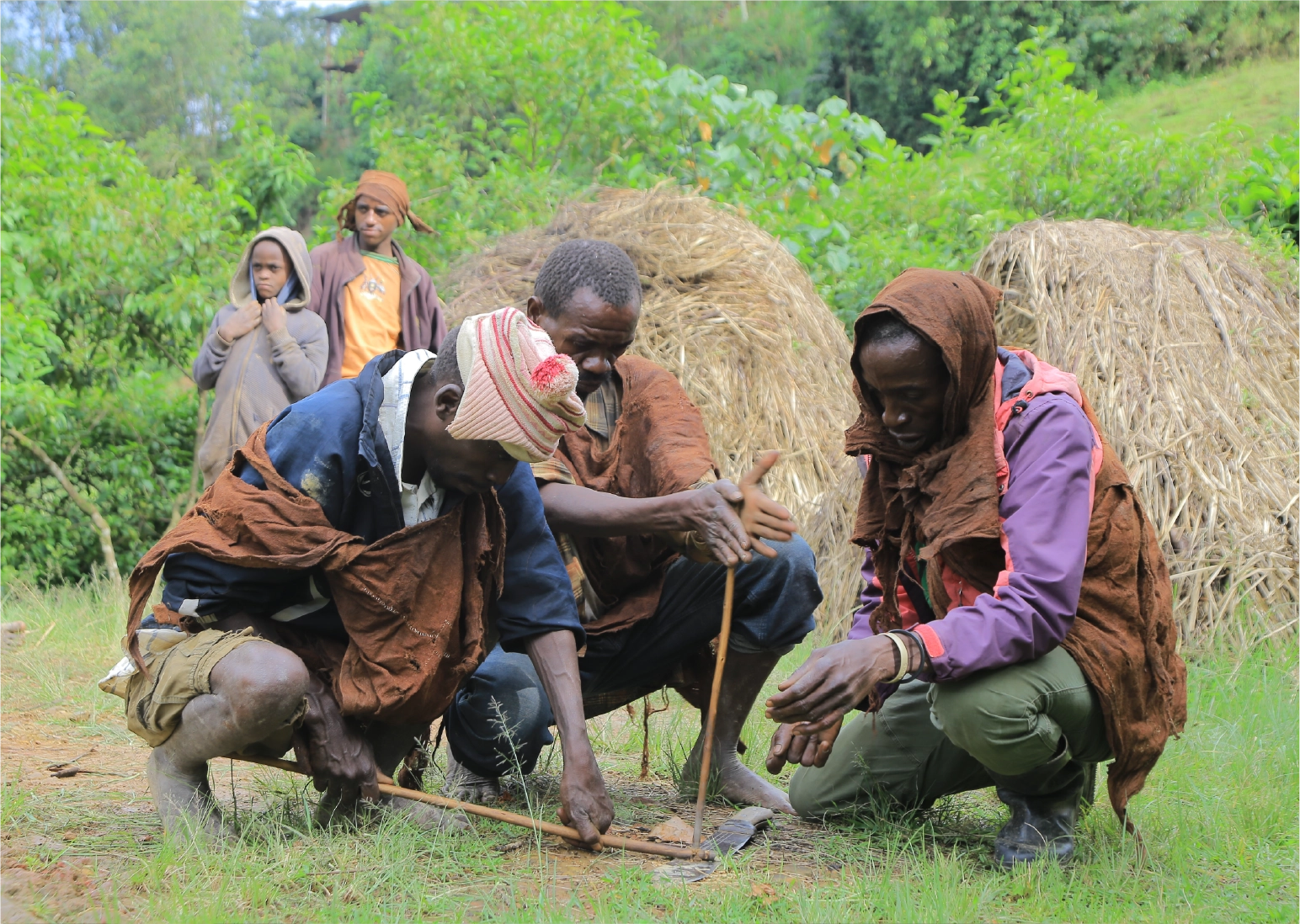
One of the most popular community tourism experiences in Uganda is visiting the communities surrounding Bwindi Impenetrable National Park. While gorilla trekking attracts travelers from across the world, many visitors are now extending their stay to engage with the local Batwa communities. The Batwa people, often referred to as the “keepers of the forest,” are among the oldest indigenous groups in the region. Before the creation of national parks, they lived within the forests alongside wildlife for generations.
Today, Batwa cultural experiences allow travelers to learn traditional hunting techniques, medicinal plant use, music, dance, storytelling, and survival skills that have been passed down for centuries. Walking through the forest with Batwa guides creates a powerful understanding of both conservation and cultural heritage. For many travelers, these encounters become just as memorable as gorilla trekking itself.
Another incredible community tourism experience can be found around Lake Bunyonyi in southwestern Uganda. Known for its peaceful beauty and terraced hills, Lake Bunyonyi offers travelers the chance to experience rural Ugandan life through village walks, canoe rides, and homestays. Visitors can spend time with local families, learn traditional cooking methods, visit schools, and explore farming communities surrounded by stunning scenery.
Unlike commercial tourism experiences, community visits around Lake Bunyonyi feel personal and authentic. Travelers often leave with a stronger appreciation for Uganda’s culture and hospitality after sharing meals and conversations with local residents.
Coffee tourism has also become one of Uganda’s fastest-growing cultural travel experiences. Uganda is one of Africa’s top coffee producers, and many rural communities now offer coffee tours that allow travelers to experience the entire coffee-making process from farm to cup. In regions such as Mount Elgon, Sipi Falls, and western Uganda, visitors can walk through coffee plantations, harvest beans, roast coffee traditionally, and taste locally grown Ugandan coffee while learning about the importance of coffee farming to local livelihoods.
These experiences not only create memorable travel moments but also directly support farmers and small community businesses. For travelers interested in sustainable tourism, coffee tours provide a meaningful way to connect with local communities while supporting ethical travel.
In eastern Uganda, the Sipi Falls region offers another outstanding example of community tourism. Beyond its famous waterfalls and hiking trails, Sipi is home to welcoming communities that have embraced cultural tourism. Travelers can participate in village walks, traditional dance performances, local cooking experiences, and guided cultural tours led by community members themselves.
The region’s peaceful atmosphere, combined with authentic local interaction, makes Sipi Falls increasingly popular among travelers seeking slow and immersive travel experiences. Many visitors choose to stay longer simply because of the warmth and hospitality they encounter within the communities.
The Karamoja region in northeastern Uganda is also emerging as one of the country’s most unique cultural tourism destinations. Often overlooked by mainstream tourism, Karamoja offers travelers the chance to experience traditional pastoralist lifestyles and rich cultural heritage. Community visits allow travelers to learn about cattle culture, traditional homesteads, local crafts, music, and ancient customs that remain deeply rooted in daily life.
Karamoja’s remote landscapes and strong cultural identity make it one of Uganda’s most authentic travel experiences. Visitors searching for destinations beyond typical tourist routes are increasingly drawn to this region because of its raw beauty and genuine cultural encounters.
For travelers interested in music and art, Uganda’s urban communities also offer vibrant cultural experiences. In cities like Kampala and Jinja, visitors can explore local art galleries, craft markets, dance workshops, and live music performances that showcase Uganda’s modern creative culture. Community-based tourism is not limited to rural villages alone; it also includes the contemporary artistic and cultural movements shaping Uganda today.
Food tourism is another growing part of Uganda’s community travel experiences. Travelers can join cooking classes to learn how traditional Ugandan meals are prepared using local ingredients and techniques. Dishes such as matoke, groundnut sauce, rolex, millet bread, and luwombo provide insight into Uganda’s culinary traditions and regional diversity.
Cooking experiences often take place in local homes or community centers, allowing visitors to interact directly with families while sharing stories around food. These simple moments often become some of the most meaningful memories travelers take home.
One reason community tourism is growing so rapidly in Uganda is because travelers increasingly want responsible and sustainable travel experiences. Community tourism ensures that tourism revenue reaches local people directly rather than benefiting only large companies or luxury resorts. Visitors know that by participating in cultural tours, homestays, craft markets, and local activities, they are helping support education, healthcare, conservation, and rural development.
This connection between tourism and community empowerment is especially important in conservation areas. Around many national parks, local tourism projects help reduce human-wildlife conflict by creating alternative income opportunities linked to wildlife conservation. Travelers become part of a larger story where tourism helps protect both nature and culture.
Community tourism also changes how visitors experience Uganda emotionally. Wildlife safaris may create excitement and adventure, but cultural interactions often create deeper human connection. Sitting with elders listening to stories, sharing laughter with children during village walks, or learning local traditions from community guides allows travelers to experience Uganda in a more personal way.
Unlike crowded tourism attractions elsewhere in the world, Uganda’s community tourism experiences still feel genuine and intimate. There is less performance and more authenticity. Travelers are welcomed not simply as customers but as guests interested in understanding local life and culture.
As travel trends continue shifting toward meaningful experiences, Uganda is perfectly positioned to become one of Africa’s leading destinations for community tourism. The country’s cultural diversity, natural beauty, and welcoming people create experiences that go beyond sightseeing. Travelers leave with memories built not only around wildlife and landscapes but also around conversations, traditions, music, food, and shared human connection.
For anyone planning a safari or adventure in East Africa, adding community tourism experiences to the journey can completely transform the trip. Gorilla trekking may bring travelers to Uganda, but it is often the people and cultural experiences that make them fall in love with the country.
In 2026, community tourism is no longer just an optional activity in Uganda. It is becoming one of the most powerful and meaningful ways to experience the true heart of the Pearl of Africa.