

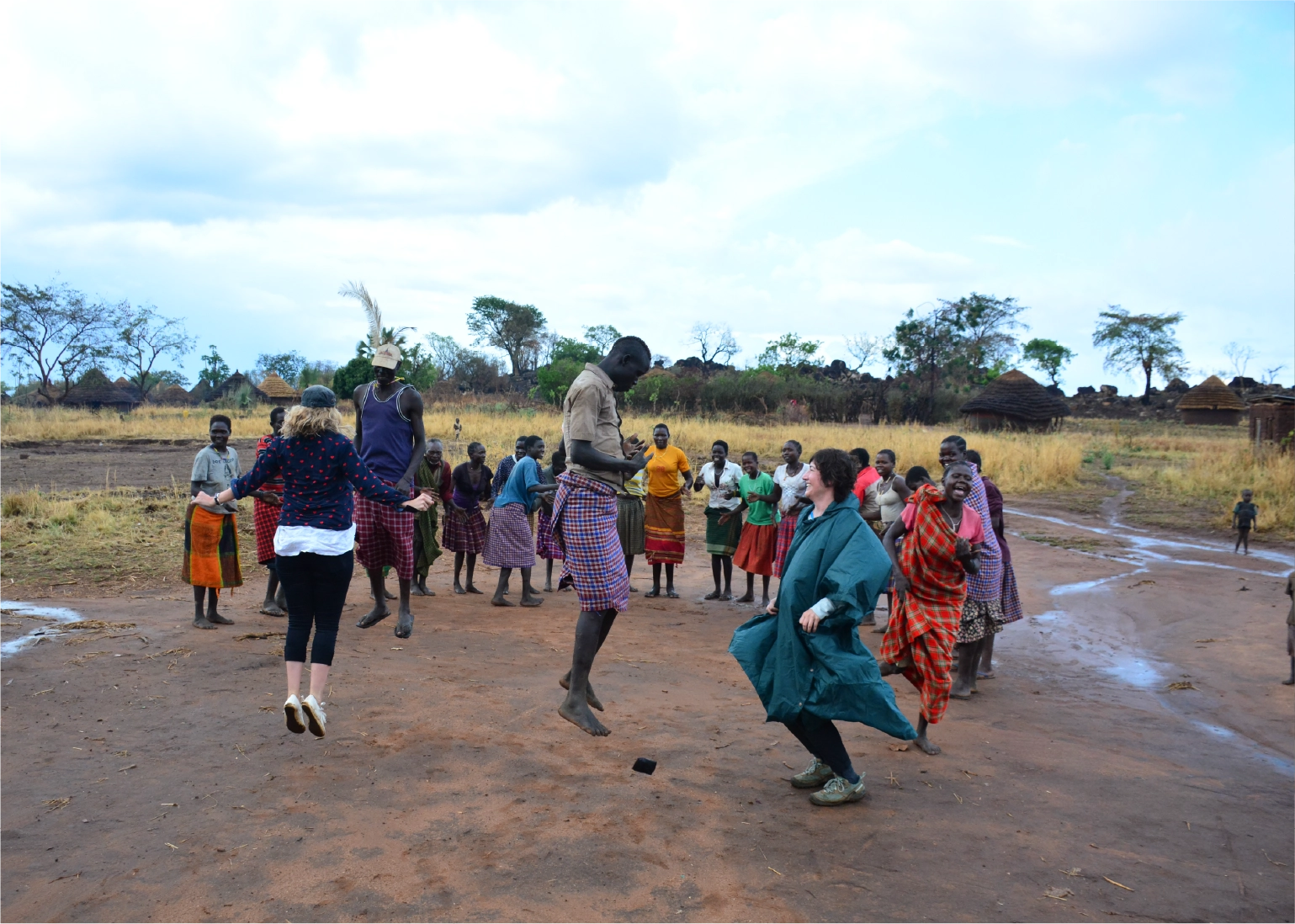
When travelers visit Uganda, they often come for the wildlife. They dream of seeing mountain gorillas deep in the rainforest, witnessing elephants crossing the savannah, or cruising along the mighty Nile River. Yet for many visitors, the most unforgettable part of their journey is not the wildlife or landscapes — it is the people.
Across Africa, hospitality is deeply valued, but Uganda offers something uniquely personal. From the moment travelers arrive, they are welcomed with genuine warmth, kindness, and openness that feels natural rather than forced. Whether in busy cities, quiet villages, safari lodges, or roadside markets, Ugandans have a remarkable ability to make visitors feel at home.
It is this human connection that has quietly made Uganda one of Africa’s most emotionally rewarding travel destinations.
Often called the Pearl of Africa, Uganda is famous for its natural beauty, but the country’s true magic lies in the character of its people. Travelers frequently describe Ugandans as friendly, approachable, respectful, and deeply welcoming. Unlike destinations where tourism can sometimes feel commercialized or transactional, hospitality in Uganda feels sincere and authentic.
One of the first things visitors notice is how naturally Ugandans greet strangers. Smiles come easily. Conversations begin effortlessly. Even simple interactions often leave lasting impressions. Whether asking for directions, shopping in local markets, or arriving at a lodge after a long safari drive, travelers are often surprised by the kindness and patience they receive.
In many cultures, hospitality is treated as a service. In Uganda, it feels more like a shared way of life.
Ugandan culture places strong value on community, respect, and human connection. Guests are traditionally treated with great importance, and visitors are often welcomed as part of the family rather than outsiders. This cultural mindset shapes everyday interactions throughout the country.
In villages across Uganda, travelers are commonly invited to share meals, participate in cultural activities, or learn about local traditions. Community tourism experiences around places like Bwindi Impenetrable National Park, Lake Bunyonyi, and Sipi Falls allow visitors to connect directly with local people in meaningful ways.
These experiences go far beyond sightseeing. Travelers learn how coffee is grown and prepared, listen to traditional storytelling, participate in dance performances, and discover the rhythms of everyday life in Uganda. The warmth shown during these cultural encounters often becomes one of the most memorable parts of the journey.
Uganda’s hospitality also stands out within the safari industry itself. Safari guides, lodge staff, drivers, trackers, and local hosts are known not only for professionalism but also for genuine care toward guests. Many travelers describe feeling personally looked after throughout their safari experience.
Unlike highly commercial safari destinations where experiences can sometimes feel rushed, Uganda’s tourism industry still feels personal and intimate. Guides take time to share stories and local knowledge. Lodge staff remember names and preferences. Conversations around campfires often turn into real friendships.
This attention to human connection creates emotional experiences that travelers remember long after the safari ends.
Gorilla trekking provides one of the most powerful examples of Uganda’s hospitality and human spirit. Trekking through the forests of Bwindi Impenetrable National Park or Mgahinga Gorilla National Park is already an unforgettable wildlife experience, but travelers are equally moved by the dedication and warmth of the guides, rangers, and local communities involved in conservation.
The passion local guides show for protecting mountain gorillas and preserving Uganda’s natural heritage creates a deeper appreciation for the experience itself. Travelers quickly realize that Uganda’s tourism success is built not only around wildlife but also around people who genuinely care about sharing their country with the world.
Another reason Uganda’s hospitality feels unique is because it exists everywhere — not only in luxury lodges or tourist areas. Travelers often experience kindness in unexpected places. It may come from children waving enthusiastically along village roads, strangers offering assistance in towns, or market vendors welcoming visitors with conversation and laughter.
These small everyday interactions create a feeling of comfort and belonging that many travelers do not expect.
For solo travelers especially, Uganda’s friendliness creates a strong sense of safety and ease. Many visitors arrive knowing little about the country but leave feeling emotionally connected to it because of the relationships and interactions they experienced along the way.
Food also plays an important role in Uganda’s culture of hospitality. Sharing meals is seen as an important social tradition, and visitors are often encouraged to try local dishes such as matoke, rolex, groundnut sauce, luwombo, and grilled meats. Meals are not simply about eating; they are opportunities for storytelling, laughter, and connection.
Travelers who participate in local cooking experiences or village visits often discover that Ugandan hospitality is expressed most beautifully around the dining table.
Uganda’s hospitality has become even more important as modern travelers increasingly seek authentic experiences over luxury alone. In today’s tourism industry, many travelers are searching for destinations that feel real, emotional, and meaningful rather than overly polished or crowded.
Uganda naturally offers this authenticity.
The country’s tourism industry is still developing compared to some larger African destinations, and this has helped preserve the genuine character of travel experiences. Visitors often feel like welcomed guests rather than tourists being processed through attractions.
This authenticity is one of the reasons Uganda is gaining international attention as one of Africa’s most rewarding destinations for cultural and safari travel.
Social media and global travel trends are also helping more people discover Uganda’s unique atmosphere. Travelers returning home often speak not only about gorillas, waterfalls, or national parks but also about the warmth of the people they met. These personal stories are becoming one of Uganda’s strongest tourism assets.
In a world where many destinations are becoming increasingly crowded and commercialized, Uganda still feels deeply human.
The emotional connection travelers build with Ugandan people often becomes the reason they return. Many visitors arrive expecting beautiful wildlife and landscapes, but they leave talking about the smiles, conversations, friendships, and kindness they experienced during their stay.
This is what makes Uganda different.
The country’s beauty may attract travelers initially, but it is the hospitality that leaves a lasting impact.
As tourism continues evolving in 2026, travelers are placing greater value on meaningful human experiences. They want destinations where they feel welcomed, understood, and connected to local culture. Uganda offers exactly that. Its people create experiences that go beyond sightseeing and transform travel into something deeply personal.
Whether sharing stories beside a campfire after a safari, learning traditional cooking from local families, or simply exchanging smiles with strangers along the road, visitors quickly discover that Ugandan hospitality is not part of a tourism strategy — it is part of the national identity.
And that is why Ugandan hospitality is unlike anywhere else in Africa.