Plot 4 Wasswa Close Katabi - Entebbe


In the World of Gorillas
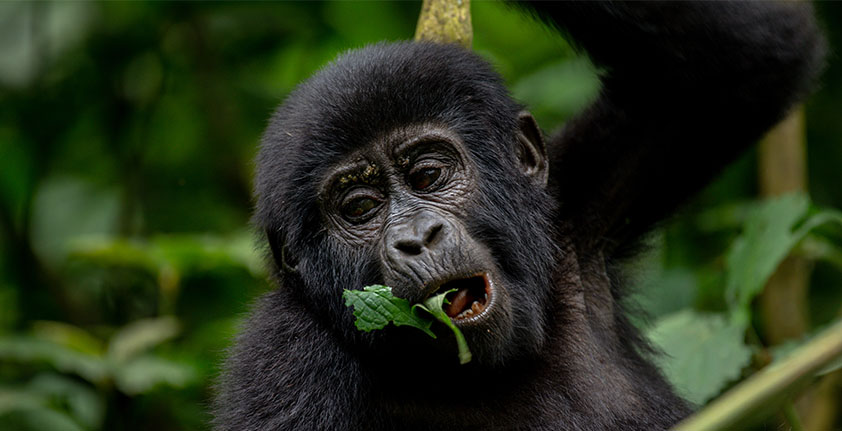
Mountain gorillas and lowland gorillas are two subspecies of the eastern gorilla (Gorilla beringei). Here are the key differences between them: Mountain Gorillas Found in the mountainous regions of Central Africa, primarily in the Virunga Mountains (which span Rwanda, Uganda, and the Democratic Republic of Congo) and the Bwindi Impenetrable National Park in Uganda. Mountain gorillas (Gorilla beringei beringei) are a subspecies of the eastern gorilla known for their large size, robust build, and distinctive silverbacks. They inhabit the mountainous forests of Central Africa, primarily in the Virunga Mountains and Bwindi Impenetrable National Park. Endangered due to habitat loss, poaching, and disease, their population has shown recovery thanks to conservation efforts and regulated tourism. They live in stable family groups led by a dominant silverback male and are primarily herbivorous, feeding on leaves, shoots, and stems. Larger and more robust compared to other gorilla subspecies, with males weighing up to 200 kilograms (440 pounds) and standing up to 1.8 meters (6 feet) tall when upright. Dense and longer fur compared to lowland gorillas, which helps them adapt to the colder temperatures of their high-altitude habitats. Distinctive black fur with a silvery-gray saddle across the back, which develops on mature males, giving them the name “silverback.”
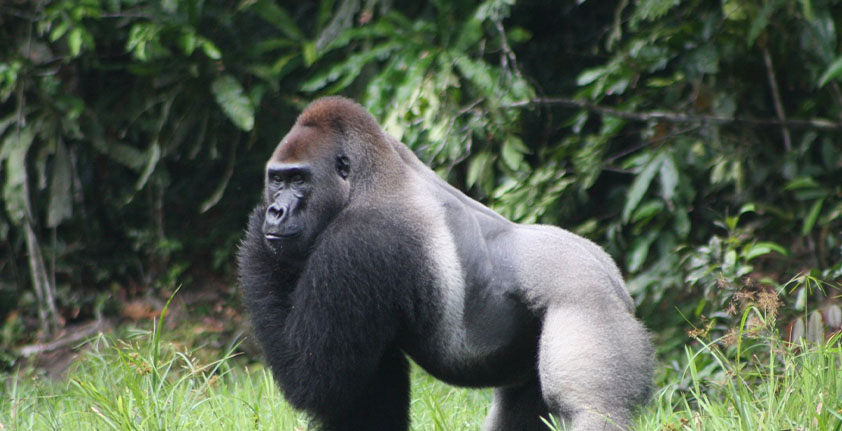
Lowland Gorillas Found in the lowland forests and swamp forests of Central Africa, primarily in the Democratic Republic of Congo, Gabon, Cameroon, and Equatorial Guinea. Lowland gorillas (Gorilla gorilla) are one of two subspecies of the western gorilla, native to the dense forests and swamp forests of Central Africa. Here’s a short description of lowland gorillas: Generally smaller and more slender than mountain gorillas, with males weighing up to 180 kilograms (400 pounds) and standing around 1.7 meters (5.5 feet) tall. Shorter and less dense fur compared to mountain gorillas, adapted to the warmer and more humid lowland forest habitats. Physical Characteristics: Size: Mountain gorillas tend to have thicker fur and are generally larger and bulkier than lowland gorillas. Coat: Mountain gorillas have longer and thicker fur, which helps them stay warm in their cooler mountain habitat. Lowland gorillas have shorter and less dense fur. Skull Shape: Mountain gorillas have a more robust skull and larger teeth compared to lowland gorillas. Behavior: Social Structure: Both subspecies live in groups called troops or bands, led by a dominant male called a silverback. Mountain gorilla groups tend to be smaller, typically consisting of around 10 individuals, while lowland gorilla groups can be larger, sometimes exceeding 20 individuals. Habitat: Mountain gorillas live at higher altitudes in montane forests, whereas lowland gorillas inhabit dense lowland and swamp forests.
Conservation Status
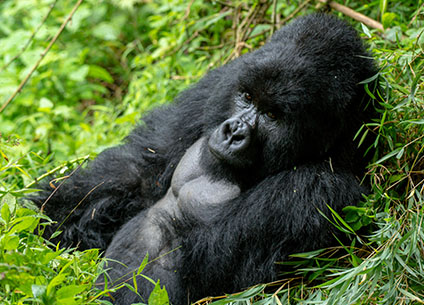
Mountain Gorillas: They are classified as endangered, with a population estimated to be around 1,000 individuals. Conservation efforts have been significant in protecting their habitats and populations.
Lowland Gorillas: They are classified as critically endangered due to habitat loss, poaching, and disease. The exact population numbers are more difficult to estimate but are believed to be higher than mountain gorillas. Threats: Both subspecies face threats from habitat destruction due to human activities such as logging, agriculture, and human settlement. They are also susceptible to diseases transmitted by humans and poaching. Understanding these differences helps conservationists tailor strategies to protect each subspecies and their unique habitats effectively.