Plot 4 Wasswa Close Katabi - Entebbe


What Makes Rwanda a Perfect Tour Destination
Rwanda is an interesting combination of incredible landscapes, a plethora of cultural diversity, and an inspiring tale of perseverance. A small but powerful country known as the “Land of a Thousand Hills,” it has a scenery full of beautiful greenery, mist-covered mountains, and placid lakes that draw tourists from all over the world. Rwanda is a place worth visiting because of its rich history, dynamic culture, and outstanding conservation efforts all of which go beyond its natural appeal. Part of Rwanda’s attraction is its history, which has been marked by turmoil and transformation into a symbol of hope and progress. Rwanda has shown that the human spirit is capable of healing and reconciliation, even in the face of the horrific events of the 1994 genocide. Travelers can see directly the nation’s amazing turnaround, marked by initiatives for peacebuilding, solidarity, and a dedication to creating a better future. Rwanda has blended its difficult past into a story of resiliency through programs like community-based tourism and grassroots development projects, captivating tourists with its spirit of regeneration and hope. Both nature lovers and those interested in adventure can have a unique and enriching experience in Rwanda thanks to its remarkable biodiversity and conservation initiatives. With a large percentage of the world’s remaining mountain gorilla population and a variety of environments brimming with wildlife, Rwanda offers chances for close encounters with wildlife and immersive nature experiences that are unmatched. Rwanda has gained international recognition and established itself as a top ecotourism destination thanks to its dedication to conservation, which is demonstrated by its innovative initiatives in gorilla protection and sustainable tourist practices. Rwanda provides a unique experience into the heart of Africa’s environment, whether you want to go on a safari in Akagera National Park to see lions, elephants, and hippos, or walk through the misty jungles of Volcanoes National Park to see gorillas in their native habitat.
Here is why Rwanda is worth visiting
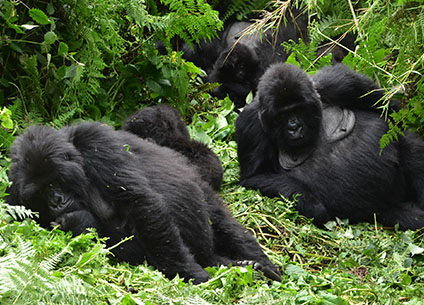
- Gorilla Trekking One of the few locations on Earth where you may go on an unforgettable gorilla trekking adventure is Rwanda. Seeing these magnificent animals in their native environment is a unique opportunity to get a unique look into their intriguing lives.
- Stunning Landscapes Rwanda’s varied landscapes, which range from gentle lakes and lush forests to rolling hills and mist-covered mountains, offer an amazing setting for discovery and adventure. Every part of Rwanda is a physical extravaganza, whether you’re driving around Lake Kivu or trekking through the verdant countryside.
- Cultural Richness Take in the colorful culture and legacy of Rwanda, which have been molded by ages of perseverance and tradition. Experience the warmth and hospitality of the Rwandan people throughout your adventure, from bright marketplaces and festivals to fascinating dance performances and customary ceremonies.
- Remarkable History Explore the rich history of Rwanda, which is chock-full with both triumphs and tragedies. See the resiliency and strength of the Rwandan people as they rebuild and reconcile by visiting memorial sites and museums to learn more about the history of the nation.
- Warm Hospitality Discover the true friendliness and warmth of the Rwandan people, who provide a warm welcome to all who arrive. You’ll feel completely at home in Rwanda, whether you’re dining with a local family or engaging up a conversation with craftspeople at a busy market.
- Safe and Secure Given its reputation for stability and safety, Rwanda is a great place to visit for people looking for peace of mind. The nation is known as one of the safest in Africa thanks to its innovative policies and dedication to security.
- Ecotourism Initiatives Rwanda is a leader in environmentally conscious travel, having a strong dedication to environmental preservation and conservation. Travelers may help preserve Rwanda’s biodiversity and natural beauty by funding wildlife conservation programs, eco-friendly resorts, and community-based tourism initiatives.
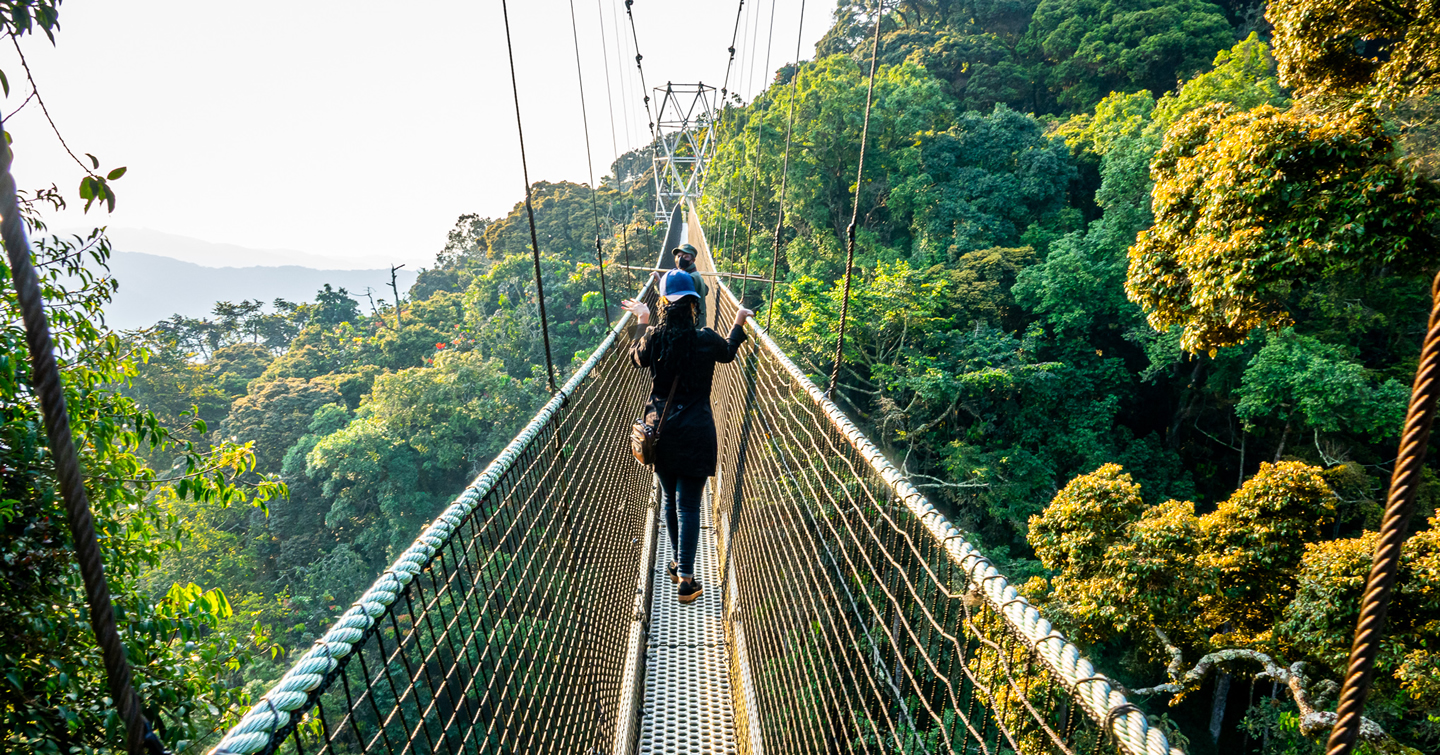
- Adventure Activities Rwanda provides a variety of adventure activities to suit every taste, whether you’re an adrenal addict or a nature lover. There are plenty of thrilling activities to enjoy, such as birdwatching, canopy hikes, and mountain riding.
- Culinary Delights Enjoy Rwanda’s unique culinary environment, which offers a wide range of tastes and ingredients, to the fullest extent possible. You’ll find a world of culinary delights in Rwanda, ranging from international cuisine with a local touch to traditional Rwandan meals like ugali and brochettes.
- Volunteer Opportunities Participate in worthwhile volunteer endeavors and community projects that have a beneficial influence in Rwanda. Whether you’re assisting with sustainable development initiatives, teaching English, or building schools, volunteering offers a special chance to engage with local people.
- Birdwatching Paradise Rwanda is a birdwatcher’s dream, home to over 700 species of birds, many of which are indigenous. Explore the country’s diverse habitats, from montane forests to wetlands, and spot a dazzling array of colorful birds in their natural habitats.
- Photographic Opportunities Rwanda provides countless chances for photographers to take magnificent pictures, from expansive landscapes and lively marketplaces to enthralling wildlife encounters. Rwanda offers a wealth of natural beauty and cultural diversity that will inspire photographers of all skill levels.
- Supporting Sustainable Tourism By making the decision to travel to Rwanda, you’re not only starting a life-changing adventure but also encouraging environmentally friendly and locally beneficial sustainable tourism. Rwanda is paving the way for an increasingly sustainable tourist industry in Africa, from ethical wildlife viewing to environmentally friendly lodging.
Unquestionably, Rwanda is a compelling holiday destination that offers a diverse range of experiences that satiate the senses and uplift the spirit. Rwanda beckons travelers to experience a life-changing voyage of exploration and relatives, owing to its incredible landscape and hospitable populace. Whether traveling through foggy forests to see mountain gorillas, perusing lively marketplaces full of antiques, or just taking in the peace and quiet of its natural surroundings, Rwanda leaves a lasting effect on everyone who visits.
Furthermore, visitors to Rwanda have the chance to support the nation’s continuous process of resiliency and revitalization. By adopting sustainable tourism practices and fostering meaningful contact with local people, tourists may significantly contribute to Rwanda’s efforts to protect its natural heritage, advance economic growth, and cultivate a more promising future for future generations. Travelers who embrace Rwanda’s spirit of growth, unity, and reconciliation not only improve their personal lives but also become a part of a greater narrative of hope and change.