Plot 4 Wasswa Close Katabi - Entebbe


Explore
Serengeti, Tanzania
Serengeti National Park is one of the most iconic wildlife destinations in the world, located in northern Tanzania. Covering about 14,750 square kilometers, it is renowned for its vast, open savannahs, rich biodiversity, and one of nature’s most spectacular events the Great Migration.
Key Highlights:
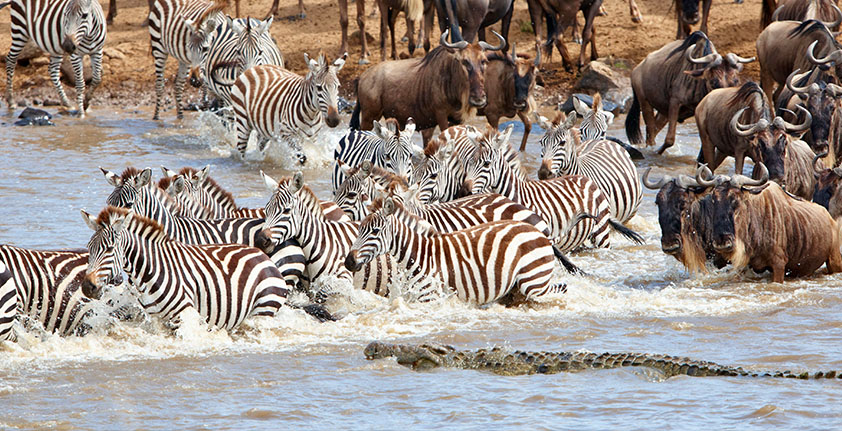
The Great Migration. Serengeti is perhaps best known for the annual migration of over 1.5 million wildebeest, along with hundreds of thousands of zebras and gazelles. This dramatic movement, driven by the search for fresh grazing and water, is one of the largest and most awe-inspiring animal migrations on Earth. It also attracts predators like lions, leopards, cheetahs, and crocodiles, making it a dynamic wildlife spectacle.
Wildlife Diversity. The park is home to the “Big Five” (lion, elephant, leopard, buffalo, and rhinoceros) as well as countless other species including giraffes, hippos, hyenas, jackals, antelopes, and over 500 bird species. The Serengeti’s ecosystems—ranging from grasslands and savannahs to riverine forests—support this extraordinary diversity. Scenic Landscapes The name "Serengeti" comes from the Maasai word "Siringet," meaning "endless plains." Its sweeping grasslands stretch as far as the eye can see, punctuated by rock outcrops known as kopjes, which provide shelter for lions and vantage points for predators.
UNESCO World Heritage. Site Designated in 1981, the Serengeti is protected not only for its wildlife but also for its role in preserving one of the planet’s last intact migration systems.
Conservation and Tourism. Serengeti National Park is part of the larger Serengeti ecosystem, which includes the Ngorongoro Conservation Area and extends into the Masai Mara in Kenya. Tourism here supports conservation and provides income for local communities, though it’s carefully managed to protect the fragile environment.
Cultural Significance. The Serengeti is also home to the Maasai people, who have coexisted with wildlife for centuries. Their traditions, dress, and pastoral lifestyle are an important part of the cultural landscape.
Experience the Difference
- Animal Migration
- Cultural Experience
- The Big five
Destination Info
Country:
Tanzania
Visa Requirements:
Tanzania
Languages Spoken:
English
Currency Used:
USD
Area(km3):
88.000 km3
Location:
34