

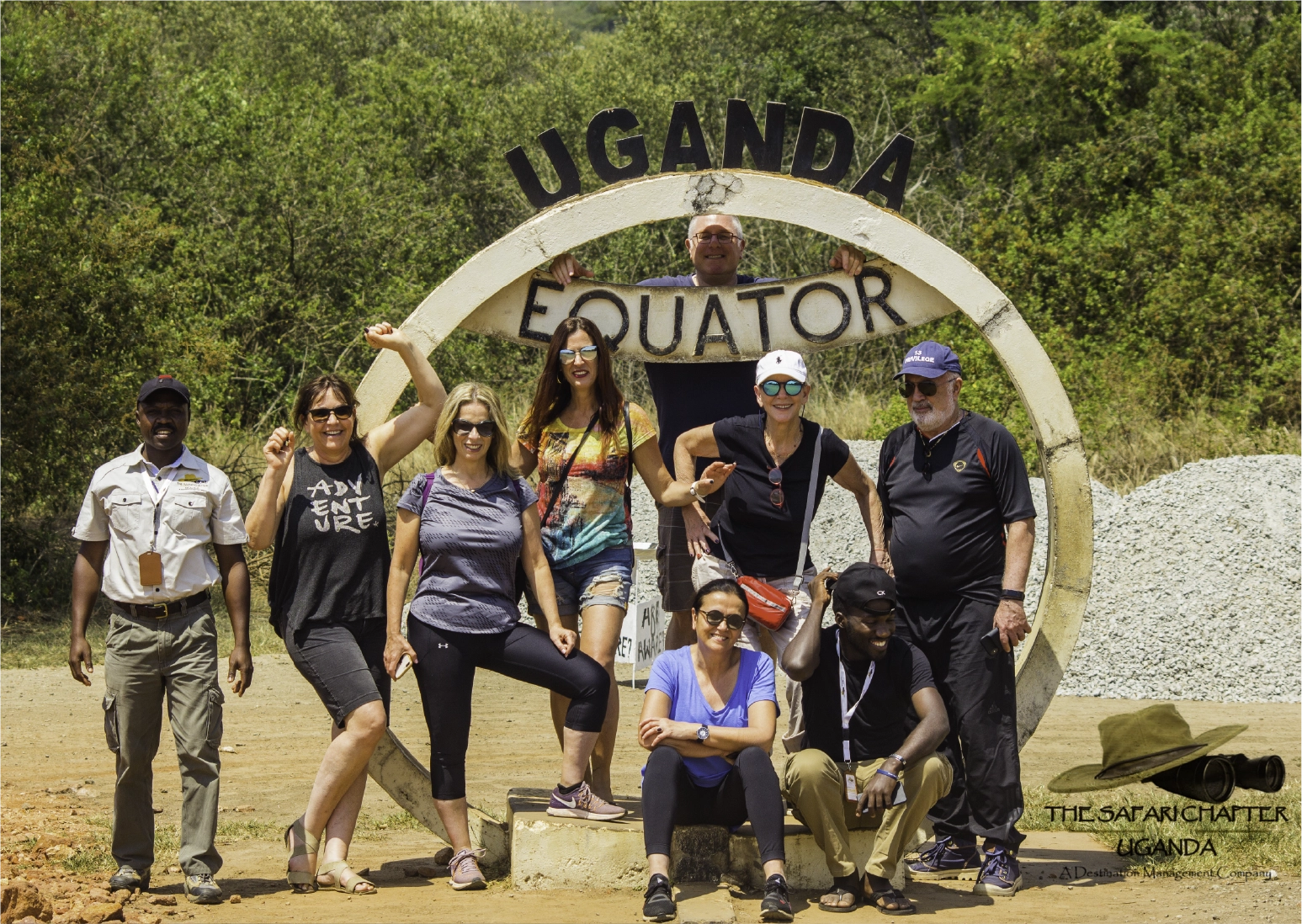
Modern travel is changing. Around the world, travelers are moving away from rushed itineraries, overcrowded attractions, and exhausting vacations filled with endless checklists. Instead, many are embracing a new travel philosophy known as slow travel — a style of exploring that focuses on deeper experiences, meaningful connections, and taking time to fully appreciate a destination. In Africa, Uganda is becoming one of the best places to experience this growing travel trend.
Known as the Pearl of Africa, Uganda offers something many destinations no longer can: authenticity, tranquility, and immersive natural experiences. Rather than racing between tourist hotspots, Uganda invites travelers to slow down, breathe deeply, and connect with the landscapes, wildlife, and people in a more personal way. From gorilla trekking in misty rainforests to peaceful evenings beside crater lakes, slow travel feels naturally suited to Uganda safaris.
One of the biggest reasons slow travel works so well in Uganda is the country’s incredible diversity. Unlike destinations where travelers spend long hours driving between similar safari parks, Uganda offers a rich variety of experiences within one journey. Travelers can explore tropical rainforests, open savannahs, mountain ranges, rivers, wetlands, waterfalls, and traditional villages all within relatively manageable distances.
This diversity encourages travelers to spend more time experiencing each destination rather than rushing through it. Instead of trying to see everything in a few days, slow travel allows visitors to appreciate the rhythm of Uganda itself. It becomes less about collecting photos and more about creating meaningful memories.
Gorilla trekking perfectly reflects the spirit of slow travel. Deep inside Bwindi Impenetrable National Park or Mgahinga Gorilla National Park, travelers move slowly through ancient forests guided by experienced trackers. The trek itself is part of the experience — listening to birdsong, feeling the cool forest air, and observing the untouched beauty of the rainforest before finally encountering a family of mountain gorillas.
Unlike fast-paced tourism experiences, gorilla trekking cannot be rushed. It teaches patience, presence, and respect for nature. The quiet moments spent watching gorillas interact peacefully in their natural habitat often become life-changing experiences for travelers. Slow travel allows visitors to fully absorb these emotional encounters rather than treating them as simple tourist activities.
Uganda’s safari parks also naturally encourage slower and more immersive travel. In destinations like Queen Elizabeth National Park, Murchison Falls National Park, and Kidepo Valley National Park, travelers can spend extra days exploring different ecosystems and observing wildlife at a relaxed pace. Morning game drives, afternoon boat cruises, guided nature walks, and sunset experiences become more enjoyable when there is no pressure to rush to the next destination.
One of the greatest advantages of slow travel in Uganda is the opportunity to experience wildlife more intimately. In many popular safari destinations, large crowds and busy vehicle traffic can sometimes make wildlife encounters feel commercialized. Uganda still offers quieter safari experiences where travelers can sit peacefully watching elephants graze, giraffes move across the savannah, or lions resting beneath acacia trees without the chaos of overcrowded tourism.
Kidepo Valley National Park, in particular, has become a favorite destination for travelers seeking slow and peaceful safari experiences. Located in northeastern Uganda, Kidepo remains one of Africa’s most untouched wilderness areas. The park’s remote location means fewer visitors, allowing travelers to experience nature in near silence. Days in Kidepo are not measured by schedules but by sunrise, wildlife movements, and the beauty of the landscape itself.
Slow travel in Uganda also creates opportunities for deeper cultural experiences. Instead of simply passing through communities, travelers can spend time learning about local traditions, food, farming, music, and daily life. Village walks around Lake Bunyonyi, Batwa cultural experiences near Bwindi, and coffee tours in the Sipi Falls region allow visitors to interact meaningfully with local people.
These experiences transform safaris from sightseeing trips into personal journeys. Travelers often discover that conversations with local guides, shared meals with families, and learning traditional customs become some of the most memorable parts of their adventure.
The rise of eco-tourism has also made slow travel increasingly popular in Uganda. Travelers today are becoming more conscious about sustainability and the environmental impact of tourism. Slow travel supports more responsible tourism practices by encouraging longer stays, lower environmental impact, and stronger support for local businesses and communities.
Many of Uganda’s safari lodges and eco-camps are designed specifically for travelers seeking peaceful and sustainable experiences. Rather than massive luxury resorts, Uganda offers intimate forest lodges, tented camps, and lakeside retreats that blend naturally into their surroundings. Guests wake up to birdsong instead of city noise and spend evenings around campfires beneath starlit skies.
These quiet environments encourage travelers to disconnect from digital distractions and reconnect with nature. In a world dominated by constant notifications and busy schedules, Uganda’s safari experiences offer something increasingly rare — stillness.
Wellness travel is another reason slow travel fits Uganda perfectly. More travelers now seek vacations that improve mental well-being rather than leaving them exhausted. Uganda’s landscapes naturally create opportunities for rest and reflection. Watching sunrise over the savannah, canoeing on calm crater lakes, hiking through forests, or simply sitting quietly while listening to nature can feel deeply restorative.
Lake Bunyonyi, often called one of Africa’s most beautiful lakes, has become a popular destination for travelers seeking slow and peaceful experiences. Surrounded by terraced hills and small islands, the lake offers canoeing, nature walks, birdwatching, and opportunities to simply relax in silence. Unlike crowded tourist destinations, Lake Bunyonyi invites travelers to slow down and fully appreciate the moment.
Food and local cuisine also become more meaningful through slow travel. Uganda’s culinary experiences are best enjoyed without rushing. Travelers can take time to enjoy fresh local meals, visit coffee farms, learn traditional cooking methods, and discover regional dishes that reflect the country’s rich cultural diversity.
Another important reason slow travel works well for Uganda safaris is the emotional connection it creates. Fast-paced tourism often leaves travelers feeling like observers. Slow travel allows visitors to feel truly connected to the destination. Travelers begin noticing small details — the sounds of the forest, the rhythm of village life, the changing colors of the sky at sunset, and the warmth of Ugandan hospitality.
This emotional connection often leads travelers to appreciate conservation and responsible tourism more deeply. Gorilla permits, community tours, and eco-lodges all contribute toward protecting Uganda’s wildlife and supporting local livelihoods. Slow travelers tend to value these meaningful contributions rather than simply consuming experiences quickly.
Social media and changing travel trends are also influencing the popularity of slow travel in Uganda. Many travelers are moving away from performative travel focused only on photos and social media content. Instead, they are searching for authentic experiences that create genuine personal fulfillment. Uganda’s peaceful landscapes and intimate safari experiences perfectly align with this shift.
Importantly, slow travel does not mean doing less. It means experiencing destinations more deeply. A slow safari in Uganda may include gorilla trekking, wildlife safaris, cultural experiences, hiking, birdwatching, and relaxation — but done at a pace that allows travelers to truly enjoy each moment rather than rushing through it.
As global tourism continues evolving, Uganda stands out as one of Africa’s most rewarding destinations for slow travel. The country’s combination of wildlife, nature, culture, sustainability, and authentic hospitality creates experiences that feel both adventurous and deeply calming.
For travelers seeking more than just a typical safari, Uganda offers something special. It offers the chance to slow down, reconnect with nature, and experience Africa in a more meaningful way. Whether it is listening to the sounds of the rainforest during a gorilla trek, watching elephants move silently across the savannah, or sharing stories beside a campfire under the stars, Uganda reminds travelers that the best journeys are often the ones taken slowly.
In 2026, slow travel is no longer just a trend. It is becoming the future of meaningful tourism — and Uganda is one of the best places in the world to experience it.