

When travelers dream about African safaris, countries like Kenya, Tanzania, or South Africa often dominate the conversation. Yet quietly, away from the spotlight of mass tourism, Uganda is emerging as one of Africa’s most extraordinary safari destinations. In 2026, more travelers are beginning to discover what seasoned adventurers have known for years — Uganda offers one of the most authentic, diverse, and unforgettable safari experiences on the continent.
Often called the Pearl of Africa, Uganda combines wildlife, landscapes, adventure, and culture in ways few destinations can match. From tracking endangered mountain gorillas deep in misty rainforests to watching lions roam golden savannahs, Uganda delivers experiences that feel wild, intimate, and deeply personal. Unlike overcrowded safari circuits elsewhere, Uganda still feels untouched, making it Africa’s best-kept safari secret in 2026.
One of the biggest reasons Uganda stands out is its incredible diversity. In many safari destinations, travelers must choose between jungle experiences, wildlife safaris, mountain adventures, or cultural tourism. Uganda offers all of them in one country. A traveler can begin the journey gorilla trekking in Bwindi Impenetrable National Park, continue to game drives in Queen Elizabeth National Park, cruise along the Nile in Murchison Falls National Park, and finish relaxing beside the stunning waters of Lake Bunyonyi.
This variety creates a richer safari experience that appeals to modern travelers seeking more than traditional game drives. Uganda feels like multiple destinations combined into one adventure.
Gorilla trekking remains Uganda’s most iconic attraction and one of the main reasons travelers are increasingly choosing the country over other safari destinations. Uganda is home to more than half of the world’s remaining mountain gorillas, found in the dense forests of Bwindi Impenetrable National Park and Mgahinga Gorilla National Park. The experience of hiking through ancient rainforest before coming face to face with a gorilla family is emotional, powerful, and unforgettable.
Unlike heavily commercialized wildlife attractions elsewhere, gorilla trekking in Uganda remains carefully managed and conservation-focused. Small visitor groups help preserve the natural environment while creating a quieter and more intimate experience. For many travelers, this single encounter becomes the highlight of their entire African journey.
Beyond gorillas, Uganda offers exceptional wildlife safaris with fewer crowds compared to other famous safari countries. In Queen Elizabeth National Park, travelers can spot elephants, buffaloes, hippos, leopards, and the famous tree-climbing lions of Ishasha. Murchison Falls National Park combines dramatic landscapes with abundant wildlife and one of the most powerful waterfalls in the world. Meanwhile, Kidepo Valley National Park offers one of Africa’s last truly remote wilderness experiences.
Kidepo, in particular, has become increasingly attractive to travelers searching for untouched safari destinations in 2026. Located in Uganda’s remote northeastern region, the park offers breathtaking scenery, large wildlife populations, and a sense of solitude rarely found in modern tourism. Many visitors describe Kidepo as the Africa they imagined before mass tourism transformed many safari destinations.
Another reason Uganda is becoming highly attractive in 2026 is the rise of quiet and sustainable travel. Travelers today are looking for meaningful experiences instead of rushed vacations filled with crowded tourist attractions. Uganda naturally fits this trend. Safaris here feel slower, more immersive, and more connected to nature.
Morning game drives often happen without dozens of safari vehicles surrounding animals. Forest walks feel peaceful rather than crowded. Remote lodges allow travelers to disconnect from digital distractions and reconnect with nature. Uganda offers something modern travelers increasingly crave — space, silence, and authenticity.
Uganda’s growing reputation for eco-tourism is also helping position the country as a leading safari destination. Many safari lodges and tour operators now prioritize sustainability, conservation, and community involvement. Tourism revenue directly supports wildlife protection and local livelihoods, especially around gorilla conservation areas.
Travelers are becoming more conscious about where their money goes, and Uganda offers a safari experience that feels responsible as well as rewarding. Visitors know that their permits, park fees, and lodge stays contribute toward protecting endangered wildlife and supporting nearby communities.
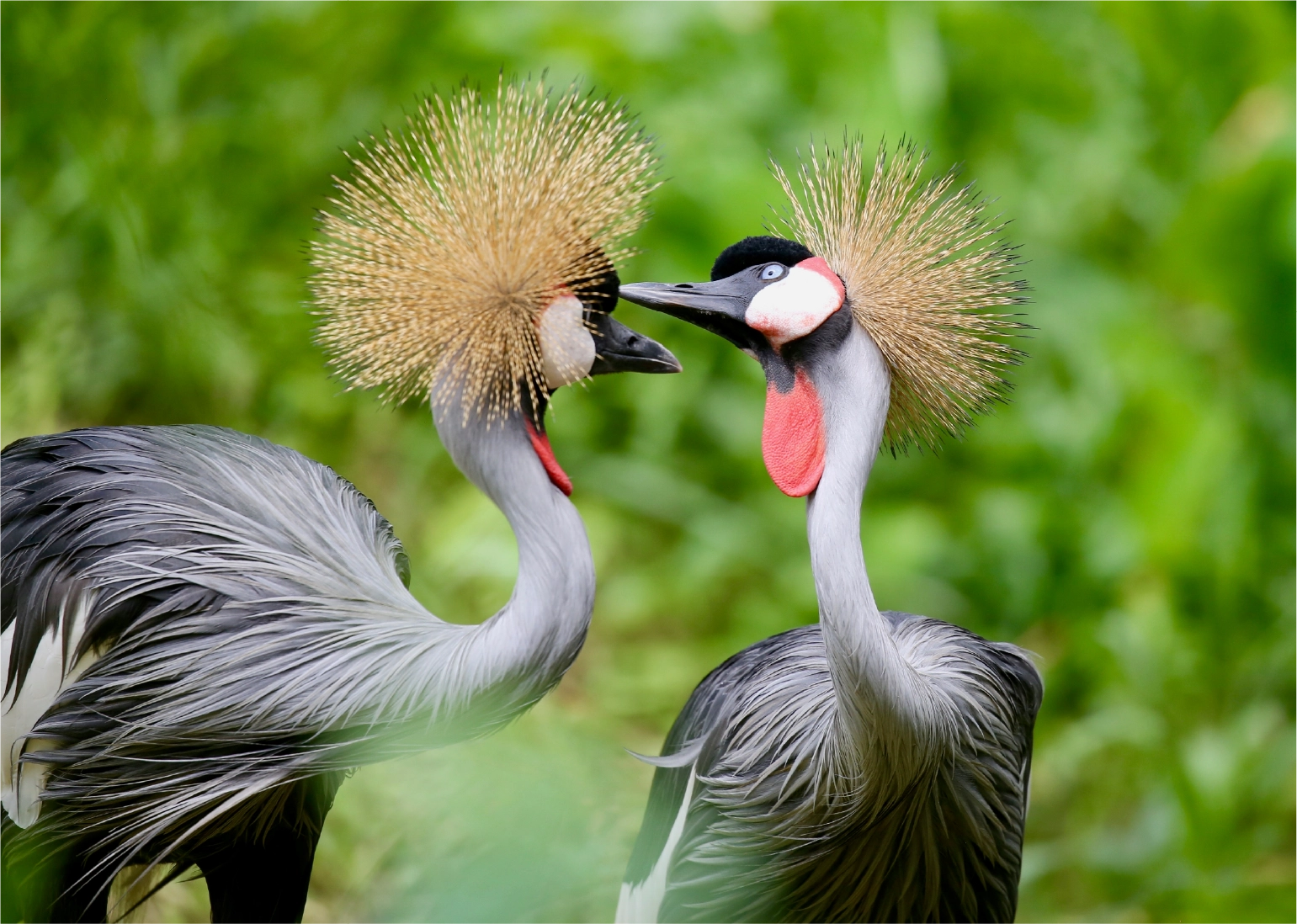
Birdwatchers are also discovering Uganda as one of Africa’s greatest hidden gems. With more than 1,000 bird species, the country is considered one of the best birding destinations in the world. From the prehistoric-looking shoebill stork in Mabamba Swamp to colorful forest species in Bwindi, Uganda attracts birding enthusiasts seeking rare sightings in peaceful natural environments.
The country’s landscapes are another reason Uganda continues rising in popularity. Few places in Africa offer such dramatic geographical diversity within relatively short travel distances. Uganda features snow-capped mountains, volcanic ranges, crater lakes, tropical rainforests, open savannahs, wetlands, rivers, and waterfalls. Every region feels different, giving travelers constant variety throughout their safari.
Adventure tourism is also contributing to Uganda’s growing appeal. Beyond traditional safaris, travelers can experience white-water rafting on the Nile River in Jinja, hiking in the Rwenzori Mountains, chimpanzee trekking in Kibale Forest, canoeing on Lake Bunyonyi, and cultural encounters with local communities across the country. Uganda appeals not only to luxury safari travelers but also to adventure seekers looking for active experiences.
One of Uganda’s greatest strengths, however, is its authenticity. In many popular tourism destinations, experiences can sometimes feel staged or overcrowded. Uganda still feels genuine. Travelers interact naturally with local communities, guides, and conservationists. Villages remain rooted in traditional culture, and many tourism experiences feel personal rather than commercial.
Uganda’s hospitality also leaves lasting impressions on visitors. The warmth and friendliness of Ugandan people consistently become one of the most memorable parts of the journey. Whether staying in luxury lodges, eco-camps, or community guesthouses, travelers often describe feeling welcomed rather than processed as tourists.
In 2026, social media and digital storytelling are also helping Uganda gain global attention. Stunning images of gorilla encounters, mist-covered forests, dramatic waterfalls, and quiet safari lodges are inspiring travelers searching for destinations that feel unique and less crowded. As more travelers prioritize authentic experiences over luxury alone, Uganda perfectly matches what the modern tourism market desires.
Importantly, Uganda also offers strong value compared to some traditional safari destinations. Travelers can combine gorilla trekking, wildlife safaris, cultural tourism, and adventure activities in one trip without the extremely high costs often associated with luxury African safaris elsewhere. This balance of affordability and world-class experiences makes Uganda increasingly attractive for both first-time visitors and seasoned travelers.
As the global tourism industry continues evolving, Uganda is no longer simply an alternative safari destination. It is becoming one of Africa’s most exciting travel success stories. The country represents a new style of safari travel — immersive, sustainable, emotional, and deeply connected to nature.
For travelers seeking more than just wildlife sightings, Uganda offers something rare. It offers experiences that feel personal and transformative. Whether it is hearing the sounds of the rainforest during a gorilla trek, watching elephants cross the savannah at sunset, or sharing stories beside a campfire under the African sky, Uganda creates moments that stay with travelers long after the journey ends.
In a world where many destinations are becoming increasingly crowded and commercialized, Uganda remains refreshingly wild and authentic. That is exactly why, in 2026, Uganda continues to rise as Africa’s best-kept safari secret.