

There is a new kind of traveler arriving in Africa. They are not chasing crowded tourist hotspots, noisy cities, or rushed itineraries. Instead, they are searching for silence, space, and meaningful connection with nature. Across the world, travelers are turning away from fast-paced vacations and embracing what many are now calling “quiet travel” — experiences built around peace, privacy, wellness, and authentic moments. In East Africa, Uganda is quickly becoming one of the best destinations for this growing trend.
Known as the Pearl of Africa, Uganda has always been rich in wildlife, landscapes, and culture. But what makes Uganda truly special today is something many destinations can no longer offer: untouched tranquility. From the misty forests of Bwindi to the remote savannahs of Kidepo Valley, Uganda gives travelers a chance to disconnect from noise and reconnect with nature in its purest form.
Unlike heavily crowded safari destinations, Uganda still feels intimate and personal. Game drives often happen without long lines of vehicles. Nature walks feel private. Even famous wildlife encounters like gorilla trekking remain deeply emotional rather than commercialized. For travelers looking for quiet safari escapes in Africa, Uganda is becoming the perfect answer.
One of the biggest reasons travelers are choosing Uganda for peaceful safaris is the country’s diversity of experiences. In a single journey, visitors can wake up to birdsong in the rainforest, spend the afternoon watching elephants in open savannahs, and end the day beside a silent crater lake with only the sounds of nature surrounding them. Uganda’s safari experiences feel slower, deeper, and more immersive compared to traditional mass tourism destinations.
The trend toward quiet travel has grown rapidly after years of fast digital living. Many people are now actively searching for digital detox holidays where they can escape screens, notifications, and constant online pressure. Uganda’s remote safari lodges provide exactly that. In many national parks, phone signals disappear, Wi-Fi becomes limited, and travelers rediscover the beauty of uninterrupted moments.
Imagine sitting around a campfire in Queen Elizabeth National Park while hippos grunt in the distance and the African sky fills with stars. Or waking up in Bwindi Impenetrable Forest to the sound of rustling trees before heading into the jungle to meet mountain gorillas face to face. These are not loud experiences. They are powerful because of their silence.
Gorilla trekking has become one of Uganda’s strongest attractions for travelers seeking meaningful and peaceful adventures. Deep inside Bwindi Impenetrable National Park, visitors hike through thick rainforest guided only by the sounds of nature. The experience of locking eyes with a mountain gorilla in complete silence creates a feeling that many travelers describe as life-changing. Unlike busy tourist attractions elsewhere, gorilla trekking in Uganda remains controlled and conservation-focused, helping preserve both the wildlife and the quiet atmosphere travelers seek.
Another rising destination for quiet safari experiences is Kidepo Valley National Park. Located in the remote northeastern corner of Uganda, Kidepo offers one of Africa’s most untouched wilderness experiences. The park is far from busy tourism circuits, making it ideal for travelers searching for solitude and exclusivity. Vast golden plains stretch toward distant mountains while lions rest on rocky outcrops and herds of buffalo move across the landscape. In Kidepo, silence becomes part of the adventure itself.
Uganda’s smaller eco-lodges are also contributing to the rise of quiet safari tourism. Many lodges are designed to blend naturally into the environment rather than dominate it. Guests can stay in forest cottages, luxury tents, or lakeside bandas surrounded by nature instead of crowds. These eco-conscious accommodations focus on sustainability, privacy, and slow living. Travelers are increasingly choosing lodges that prioritize conservation, wellness, and authentic local experiences over luxury alone.
The rise of wellness tourism has also played a major role in Uganda’s growing popularity. Travelers no longer want vacations that leave them exhausted. Instead, they seek journeys that help them rest mentally and emotionally. Uganda’s calm natural settings create the perfect environment for wellness travel. Morning yoga overlooking crater lakes, meditation beside the Nile River, forest walks, and quiet evenings in the wild are becoming popular additions to safari itineraries.
Birdwatching tourism is another peaceful travel experience attracting visitors to Uganda. With over 1,000 bird species, Uganda is one of Africa’s top birding destinations. Birdwatchers often prefer slower, quieter travel styles that allow them to fully appreciate nature. Places like Mabamba Swamp, Semuliki National Park, and the wetlands around Lake Mburo offer peaceful environments where travelers can enjoy wildlife without the pressure of crowded safari traffic.
Uganda’s lesser-known destinations are also benefiting from travelers seeking hidden gems. While destinations like Kenya and South Africa attract large tourism numbers, Uganda still offers areas that feel undiscovered. Places such as Pian Upe Wildlife Reserve, Lake Bunyonyi, Mount Elgon, and the Sipi Falls region provide peaceful alternatives for travelers who want nature without heavy crowds. These destinations offer hiking, cultural experiences, scenic relaxation, and wildlife encounters in calm settings.
Another reason quiet safari escapes in Uganda are growing in popularity is the country’s authentic cultural experiences. Travelers today want more than sightseeing; they want connection. Uganda allows visitors to interact with local communities, learn traditional lifestyles, and experience genuine hospitality away from commercial tourism zones. Community walks, coffee tours, traditional storytelling, and cultural dances create meaningful travel memories rooted in human connection rather than entertainment alone.
Sustainable tourism is also shaping the future of Uganda safaris. Many travelers now choose destinations that protect wildlife and support local communities. Uganda has increasingly positioned itself as a conservation-focused safari destination where tourism directly supports gorilla conservation, anti-poaching efforts, and community development projects. Quiet safari tourism naturally aligns with sustainable travel because it encourages low-impact experiences and smaller visitor numbers.
Social media and modern travel culture have also unexpectedly fueled the quiet travel movement. After years of crowded “Instagram tourism,” many travelers now crave privacy and authenticity over performative travel experiences. Uganda’s quiet safari escapes allow visitors to experience nature genuinely rather than simply documenting it for social media. Travelers return home with stories of emotional encounters, peaceful landscapes, and moments of stillness that cannot easily be captured in photos.
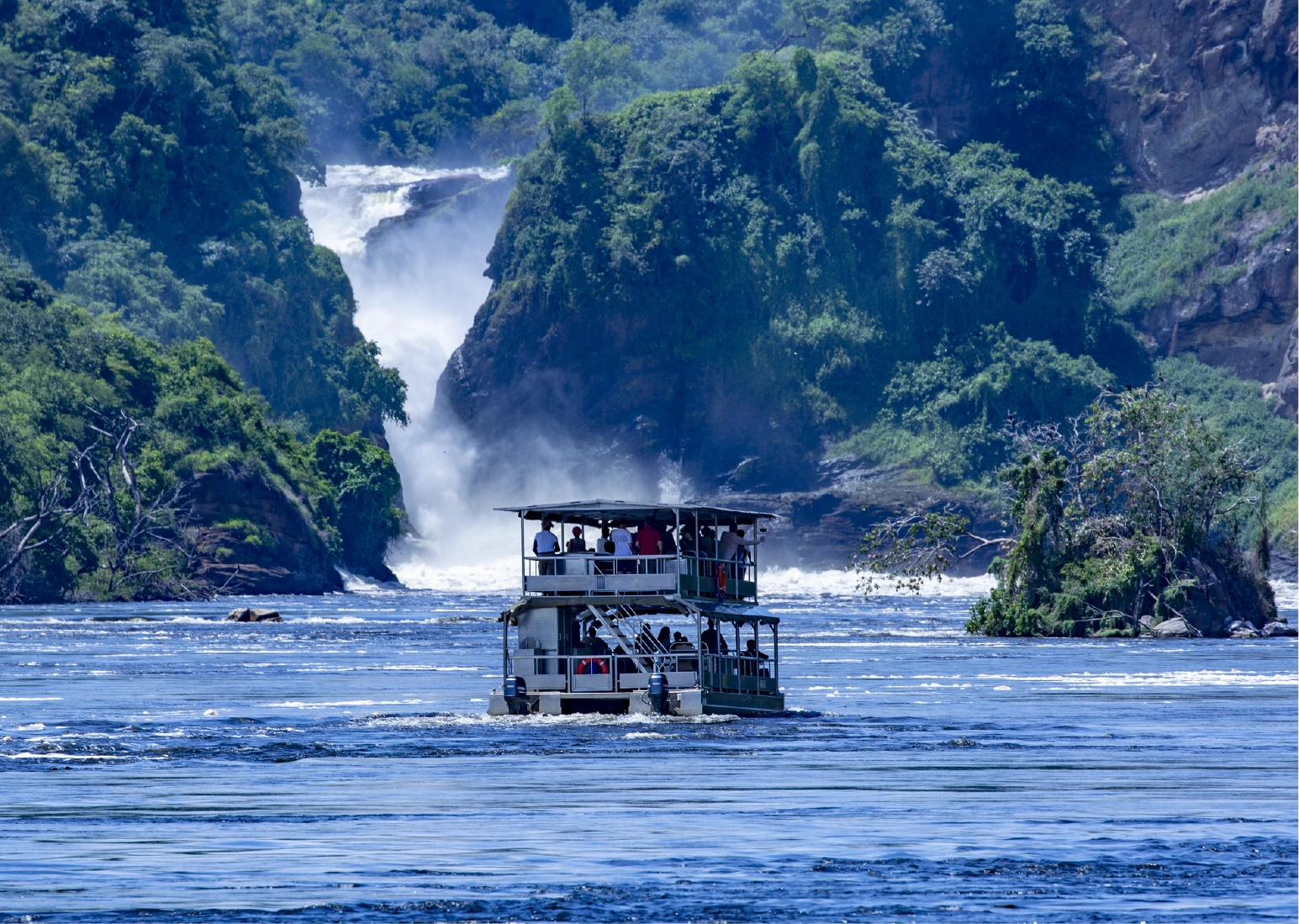
As global tourism continues evolving, Uganda is perfectly positioned to lead Africa’s quiet safari movement. The country offers what modern travelers increasingly value: nature, privacy, authenticity, conservation, and emotional connection. Whether it is tracking gorillas in Bwindi, watching tree-climbing lions in Ishasha, cruising along the Nile in Murchison Falls National Park, or simply enjoying the silence of a remote safari lodge, Uganda delivers experiences that feel deeply personal.
The future of travel is no longer only about seeing more places. It is about feeling more connected to the places we visit. Quiet safari escapes in Uganda represent this new era of travel perfectly. They remind travelers that sometimes the most unforgettable moments happen not in noise or crowds, but in silence — listening to birds at sunrise, watching elephants move across the savannah, or standing quietly in the presence of a mountain gorilla deep within the forest.
For travelers seeking peace, adventure, and meaningful connection with nature, Uganda is no longer just a safari destination. It is becoming one of Africa’s greatest quiet escapes.