

The road slowly narrowed as we left the busy streets of Kampala behind. The hum of traffic faded into the rhythm of birdsong, rustling banana leaves, and distant laughter. This wasn’t just another stop on a tour—it felt like stepping into the heartbeat of Uganda itself. By the time we arrived, the sun had begun its gentle climb, casting a warm glow over the village. Children paused their play to wave, their smiles wide and genuine. There was no rush here, no urgency—just life unfolding naturally, moment by moment.
A Warm Welcome Like No Other
The first thing you notice in a Ugandan village isn’t the scenery—it’s the people. Hospitality here isn’t a service; it’s a way of life. We were welcomed with handshakes, laughter, and an openness that instantly dissolved any sense of being a stranger. An elder invited us to sit under a mango tree, where stories began to flow as easily as the fresh air around us. Through simple conversation, you begin to understand what makes Uganda special—not just its landscapes, but its deep-rooted sense of community.
This is the essence of cultural tours in Uganda—real connections, not staged experiences.
Learning the Rhythm of Daily Life
As the morning unfolded, we joined in the everyday routines of village life. A short walk led us to the gardens, where locals were tending to crops—matoke (green bananas), cassava, and groundnuts. There’s something grounding about working the soil with your hands. No machines, no shortcuts—just knowledge passed down through generations. You begin to appreciate the effort behind every meal, every harvest.
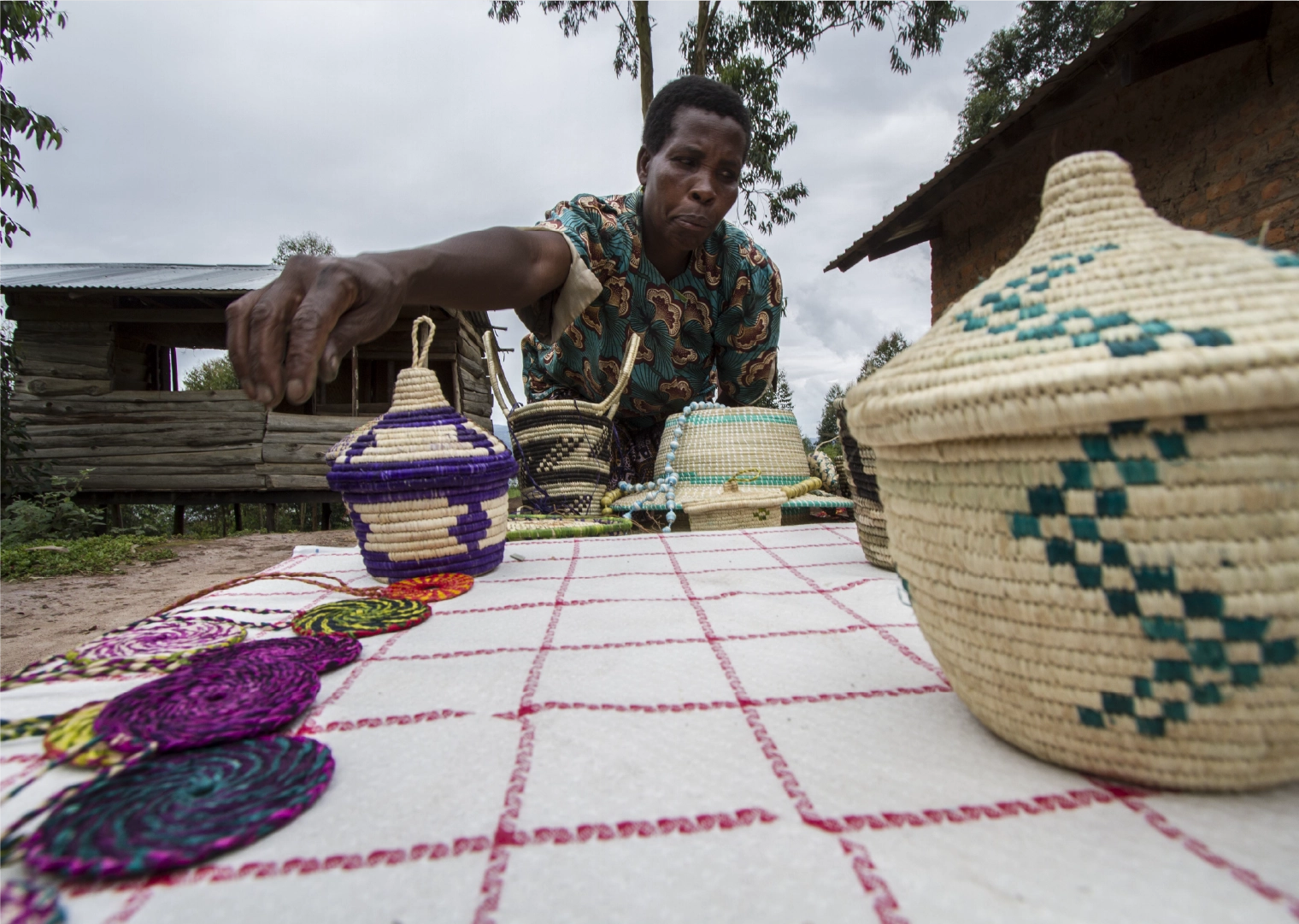
Nearby, a group of women demonstrated traditional crafts—basket weaving with precision and patience. Each pattern told a story, each movement carried meaning. It wasn’t just art; it was heritage.
For travelers seeking authentic African experiences, this is where the magic lies—in the ordinary moments that feel extraordinary.
Cooking the Ugandan Way
By midday, the village buzzed with activity as preparations for lunch began. This wasn’t a restaurant experience—it was something far more meaningful. We gathered around a small outdoor kitchen, where cooking is done over firewood. The aroma of simmering beans, groundnut sauce, and steaming matoke filled the air. You don’t just watch—you participate. Peeling matoke, grinding peanuts, stirring pots—it becomes a shared experience filled with laughter and learning. The process is slow, intentional, and deeply communal.
When the food is finally served, it’s more than a meal—it’s a celebration.
Every bite tells a story of the land, the people, and the traditions that have shaped Ugandan cuisine for generations. Sitting together, eating from the same space, you realize food here is about connection as much as nourishment.
The Sound of Culture
As the afternoon sun softened, the village came alive with music and dance. Drums echoed through the air, setting a rhythm that was impossible to ignore.
Before long, we were invited to join in. Traditional dances aren’t performances for tourists—they are expressions of identity, celebration, and history. Each movement carries meaning, each beat connects you deeper to the culture.
Laughter filled the space as we tried to follow along, guided by encouraging cheers. In that moment, there were no boundaries—just shared joy. This is what makes community tourism in Uganda so powerful—it’s immersive, genuine, and unforgettable.
Conversations That Stay With You
As the day drew to a close, we returned to the shade of the trees. Conversations became quieter, more reflective. Stories of life, hopes, and challenges were shared openly. You begin to see beyond the surface—to understand resilience, simplicity, and the value of human connection. There’s a lesson in the way life is lived here. It’s not about having more—it’s about appreciating what is already present. For many travelers, this becomes the most impactful part of their journey.
Why This Experience Matters
Uganda is often celebrated for its wildlife—gorilla trekking in Bwindi Impenetrable National Park or game drives in Murchison Falls National Park. But beyond the safaris lies something equally powerful—the people. A village visit offers a different kind of richness. It grounds your travel experience, giving it meaning and depth. It reminds you that travel isn’t just about places—it’s about people, stories, and shared moments.
Planning Your Village Experience
If you’re considering adding a cultural visit to your itinerary, here are a few tips:
- Choose community-based tourism programs that directly support locals
- Go with an open mind and willingness to participate
- Respect traditions and ask questions—people are happy to share
- Take your time—this is not a rushed experience
Many villages near Kampala and across the country offer authentic cultural encounters that can easily be included in your safari or travel itinerary.
A Day You’ll Never Forget
As we left the village, the same children who had welcomed us were there to wave goodbye. The sun dipped lower, painting the sky in shades of gold and orange. It’s hard to put into words what a day like this leaves you with. It’s not just memories—it’s perspective.
In a world that often moves too fast, a day in a Ugandan village reminds you to slow down, connect, and appreciate the simple, beautiful moments that truly matter. And long after the journey ends, it’s the smiles you’ll remember most—real, warm, and unforgettable.